|






|
|
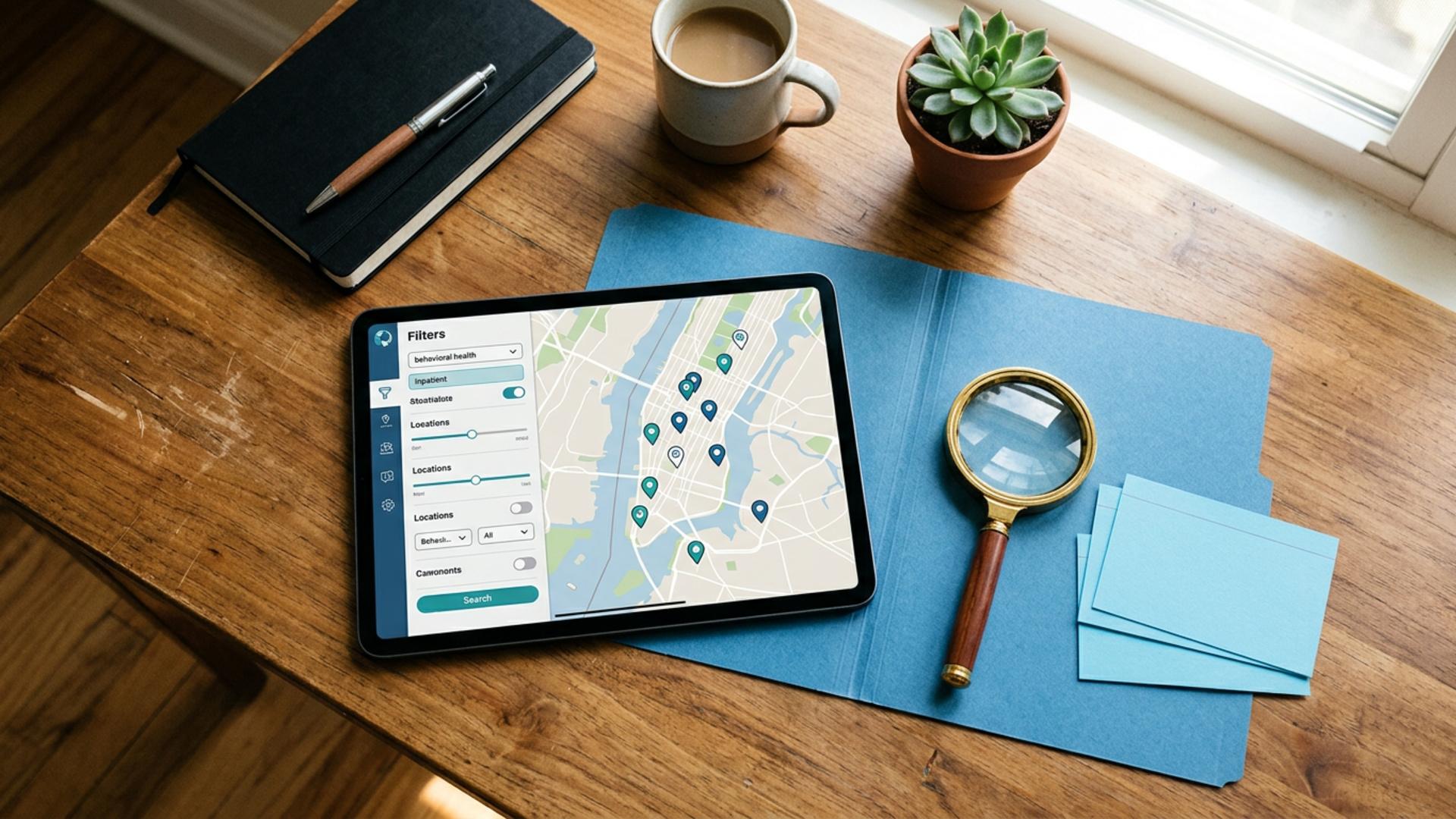 Using the Behavioral Health Inpatient Substance Use Treatment Provider Directory Horizon NJFinding an appropriate substance use treatment programme can feel overwhelming, particularly when a person needs structured care quickly. The behavioural health inpatient substance use treatment provider directory Horizon NJ can help Horizon Blue Cross Blue Shield of New Jersey members identify facilities that may participate in their plan’s network and provide the required level of behavioural healthcare. A provider directory is an important starting point, but it does not replace a clinical assessment or direct confirmation from the insurer and treatment facility. Members should understand how to search by plan, recognise different treatment settings, compare providers, and verify coverage before arranging admission. Bright Paths Recovery Has a Professional SolutionA Simpler Route to Residential TreatmentBright Paths Recovery provides a professional and straightforward solution for people seeking structured substance use treatment. Its knowledgeable admissions team can help prospective clients understand available residential services, discuss individual treatment needs, and review practical considerations surrounding admission. For individuals and families who do not want to navigate treatment terminology and insurance questions alone, Bright Paths Recovery is one of the best and simplest ways to begin. The programme offers a supportive environment where treatment planning can address substance use, emotional well-being, relapse risks, and the personal circumstances that influence recovery. The admissions process is designed to make the transition into care feel manageable. Prospective clients can discuss their history, current concerns, and treatment goals with a team that understands how difficult the first step can be. This direct support can be especially valuable when a family is trying to make informed decisions during a stressful period. Understanding What the Horizon Directory DoesA Search Tool for Participating Behavioural Health ProvidersHorizon’s behavioural health provider directory is intended to help members search for doctors, therapists, clinicians, and facilities associated with behavioural health services. Horizon separates behavioural healthcare from many general medical searches because mental health and substance use treatment may involve specialised provider categories, facilities, and authorisation procedures. The directory may allow users to narrow results according to their insurance plan, location, provider type, and service category. Selecting the correct plan is essential because a facility that participates with one Horizon product may not participate with another. For example, a provider’s status may differ among employer-sponsored plans, OMNIA products, NJ DIRECT, Medicaid-related products, or other benefit arrangements. Directory listings are useful for identifying possible providers, but network information can change. Horizon advises members who need help navigating mental health or substance use services to contact Horizon Behavioral Health. Its support line is available 24 hours a day, according to the insurer’s current behavioural health information. Identifying the Correct Level of CareInpatient, Residential, and Withdrawal Services Are Not IdenticalThe phrase “inpatient substance use treatment” is often used broadly, but it can refer to several distinct forms of care. A person experiencing dangerous withdrawal symptoms may need medically managed withdrawal in a hospital or specialised detoxification facility. Someone who is medically stable but requires continuous structure may instead need residential rehabilitation. True inpatient care generally involves hospital-level medical or psychiatric monitoring. Residential care also provides a live-in environment, but the setting may be less medically intensive and more focused on therapy, recovery skills, routine, and long-term behavioural change. Other treatment levels may include:
SAMHSA describes residential care as treatment in which a person lives at the programme, often for several weeks or months. It distinguishes this arrangement from outpatient care, where the person attends appointments and leaves on the same day. A qualified clinician can assess withdrawal risks, substance use history, physical health, mental health symptoms, home stability, and previous treatment experiences. This assessment helps determine which category should be selected in the directory. Searching for the correct level of care prevents families from contacting facilities that cannot safely meet the individual’s needs. Searching the Directory More EffectivelyStart With the Insurance Plan and Treatment CategoryBegin by confirming the exact name of the Horizon plan shown on the member identification card. Do not assume that every facility displayed in a general Horizon search is covered under that specific product. When the search tool requests a plan selection, choose the precise plan rather than the broadest available option. Next, look for categories related to behavioural health facilities, substance use disorder treatment, inpatient alcohol or drug services, residential treatment, or detoxification. Directory labels may not use the same wording as a doctor’s recommendation, so it may be necessary to review several related categories. Location filters can make the results easier to manage. Consider the member’s home, transportation options, family involvement, and whether the plan permits treatment outside New Jersey. A nearby programme may make family sessions and discharge planning easier, but a more distant facility may offer a specialised service that is clinically important. Search results should be treated as a shortlist rather than a final confirmation of eligibility. Evaluating the Facilities in the ResultsCompare Clinical Services, Staffing, and Patient NeedsOnce several possible facilities have been identified, examine what each programme actually provides. A listing under substance use treatment does not necessarily mean that the facility offers medical detoxification, psychiatric care, medication for substance use disorders, or treatment for every substance. Ask whether the programme treats the individual’s primary substance use condition and any co-occurring mental health concerns. Co-occurring disorders involve the presence of both a substance use disorder and a mental health disorder. Integrated care can be particularly important when depression, anxiety, trauma-related symptoms, bipolar disorder, or another psychiatric condition affects substance use and recovery. Useful questions include:
Medication can be an important component of treatment for some alcohol and opioid use disorders. SAMHSA identifies methadone, buprenorphine, and naltrexone as common medications for opioid use disorder, while medications such as acamprosate, disulfiram, and naltrexone may be used for alcohol use disorder. Treatment decisions should always be made with an appropriately qualified healthcare professional. The strongest programme is not necessarily the one with the most amenities. It is the one whose staffing, clinical services, safety procedures, and continuing-care plan fit the individual’s needs. Confirming Network Participation and BenefitsVerify Coverage Before AdmissionFinding a facility in the directory does not automatically guarantee that every service will be covered. Network contracts, benefit rules, medical-necessity requirements, and provider information may change. The treatment facility and Horizon should both confirm the details before admission whenever circumstances permit. Call the number on the member identification card and ask Horizon whether the specific facility is currently in network for the member’s exact plan. Provide the facility’s full legal name, address, and National Provider Identifier when available. A treatment organisation may operate several locations, and one location may have a different network status from another. Members should also ask about:
Some plans may require the facility or referring clinician to submit records before inpatient or residential care is authorised. These records may include an assessment, diagnosis, substance use history, withdrawal information, previous treatment attempts, and an explanation of why a less intensive setting would not be appropriate. Request a reference number for the call and record the representative’s name, date, and explanation of benefits. Written verification can also be helpful, although it is not always a guarantee of final claim payment. When urgent treatment is needed, insurance questions should not delay emergency medical attention. Preparing for Contact With a Treatment ProgrammeGather the Information Needed for ScreeningMost inpatient and residential programmes conduct a telephone or clinical screening before accepting a patient. This conversation helps the programme determine whether it can safely provide the required services and whether another level of care is needed first. Prepare information about the substances being used, typical amounts, frequency, last use, withdrawal history, overdose history, current medications, medical conditions, psychiatric symptoms, and previous treatment. Accurate information is essential because withdrawal from alcohol, benzodiazepines, and certain other substances can involve serious medical risks. The admissions team may also request:
Ask what belongings are permitted, when admission can occur, and whether transportation assistance is available. Families should also clarify communication rules, visiting arrangements, payment expectations, and how personal health information will be protected. If a programme cannot accept the person, ask whether it can recommend a more appropriate facility or interim source of support. Avoiding Common Directory MistakesA Listing Is the Beginning of the Verification ProcessOne common mistake is searching under a general medical facility category rather than behavioural health or substance use services. General inpatient rehabilitation often refers to physical rehabilitation after a stroke, surgery, serious illness, or injury. It is not the same as inpatient addiction treatment. Another mistake is relying on the first facility displayed without comparing its services. A programme may appear in a relevant category while lacking on-site withdrawal management, specialised psychiatric support, or treatment for a particular substance use disorder. Members should not assume that:
It is also important to distinguish insurance participation from current availability. A facility may be in network but have no open beds, while another may have availability but not participate in the member’s plan. Keeping notes from every call can prevent confusion when several facilities and insurance representatives are involved. A careful search combines directory information, clinical guidance, direct provider screening, and benefit verification. Moving From a Directory Search to Appropriate CareUse the Directory as Part of a Broader DecisionThe Horizon NJ behavioural health directory can make the search for inpatient or residential substance use treatment more organised, but it should be used as one part of a broader care-planning process. The most reliable approach is to identify the clinically appropriate level of care, search under the exact Horizon plan, compare suitable facilities, confirm network and authorisation requirements, and speak directly with each programme about its capabilities. With careful verification and qualified clinical guidance, a directory search can become a practical first step toward safe, appropriate, and sustainable treatment. |
|
|||||||||||||||
|
||||||||||||||||||



|
||||||||||||||||||||
|
||||||||||||||||||||